


Swollen legs, stolen lives: how oedema steals mobility and independence
Swollen legs are often dismissed as a minor or inevitable problem. In reality, unmanaged oedema can be the first step toward loss of mobility, independence, and quality of life.
This webinar raises awareness of how lower limb swelling triggers a downward spiral of heaviness, pain, reduced movement, muscle weakness, and fear of activity- often leading to deconditioning and patients becoming 'off-legs.' Everyday coping strategies, such as reduced walking or sleeping in a chair, can unintentionally worsen the problem.
Aimed at all healthcare professionals, this session shifts the focus from treating symptoms to recognising early warning signs and acting sooner. It highlights how simple, timely interventions can protect mobility, prevent avoidable decline, and help people remain independent for longer.
Learning Outcomes
By the end of this session, participants will:
- Understand how oedema drives loss of mobility and independence
- Recognise behaviors and environments that worsen lower limb swelling
- Identify early intervention points to prevent patients becoming “off-legs”
- Apply practical strategies to help break the cycle
- Tools that can help: Ascenda Demonstration
Meet our Experts
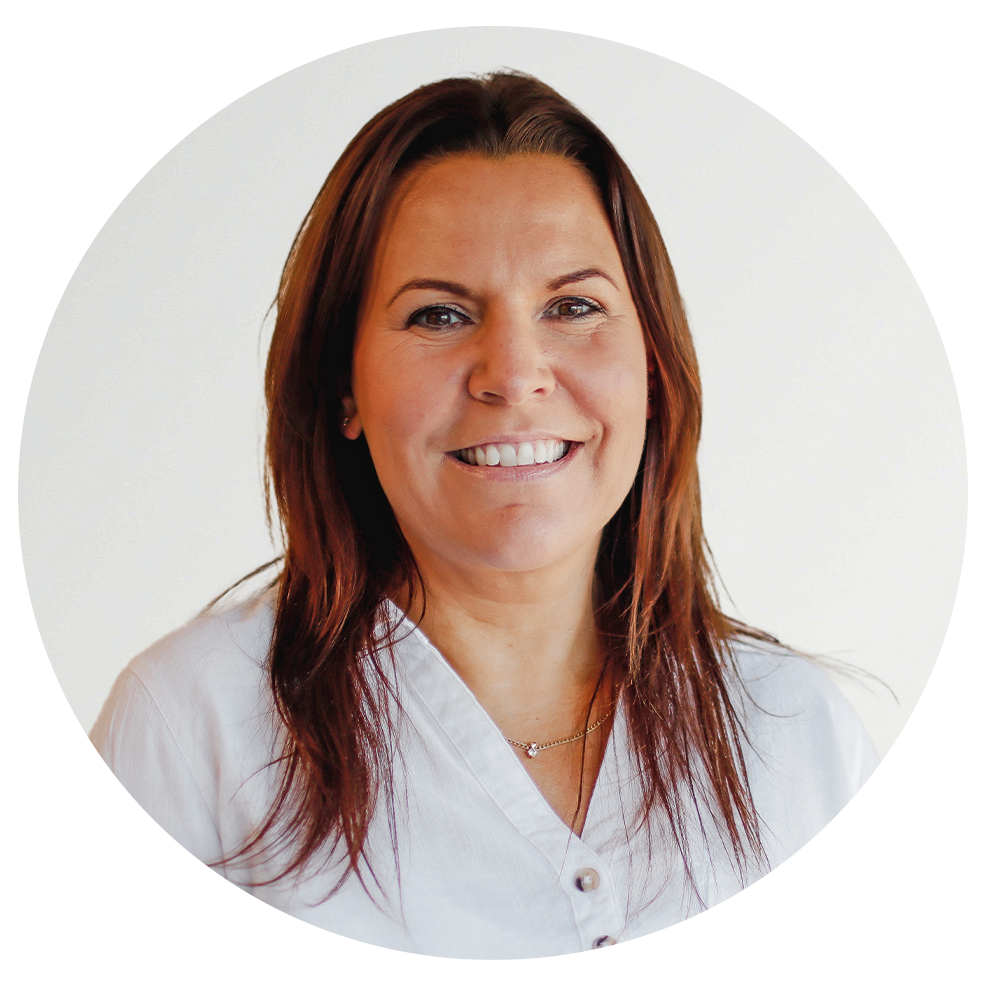
Sarah has always had a keen interest in Tissue Viability since becoming a registered nurse in 2002. Her experience varies from within a community setting, where she completed her Tissue Viability based degree in 2007. She then worked within the private sector to gain additional advanced wound care skills whilst working with a medical devices company specialised in wound healing. In 2010, Sarah became a Tissue Viability Nurse and shaped a specialised service within the acute sector for 7 years before returning to the community setting as a TVN.
People who watched this also watched...
Enhancing healthcare consultations and interventions: Using a coaching approach for effective patient engagement
Recent research shows that occupational therapy intervention is essential to support healthy ageing and adults living with chronic conditions who have difficulties performing daily activities (Hagelskjær et al. 2024). Equally, physiotherapy is crucial in supporting better physical health for older adults with and without chronic health conditions (Liu et al 2024). Supporting clients to self-manage their health is essential, but this requires specific approaches and communication styles, such as coaching. Join us for this webinar, which introduces how to use a coaching approach to enhance client engagement and intervention.
Mental Capacity Act
This session on the Mental Capacity Act will pick up on common questions asked by Occupational Therapists.
Cellulitis – what is and isn’t cellulitis and what to do about it
Cellulitis is an infection of the skin that can occur anywhere on the body. It most commonly occurs on the lower limb. It is often misdiagnosed leading to unnecessary admissions and treatment. In this session we will cover what cellulitis is, how to recognise it, how to identify skin conditions often misdiagnosed as cellulitis and how to manage it.